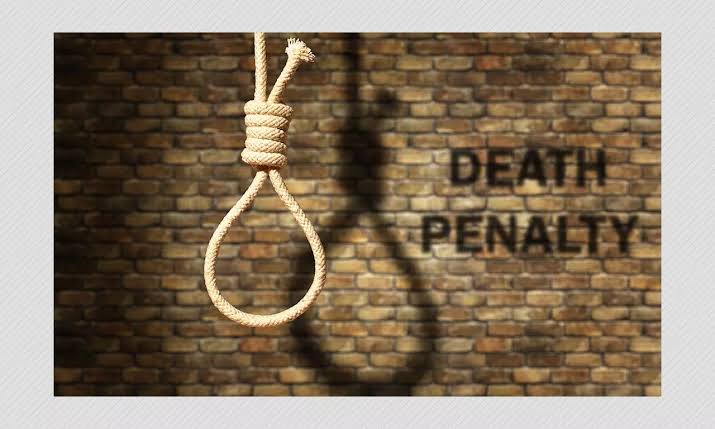
SC upholds hanging as mode of death penalty; dismisses PIL for alternative way to execute death row prisoners
New Delhi, August 18
The Supreme Court on Tuesday dismissed a plea seeking an alternative and more dignified method of executing death row convicts, declining to interfere with hanging as the existing mode of execution for carrying out the death penalty.
A bench of Justices Vikram Nath and Sandeep Mehta considered pleas challenging execution by hanging on the ground that the method causes pain and sought consideration of alternatives that could ensure a more humane and dignified execution.
The court, however, made it clear that its judgment would not prevent the Central government from undertaking a comprehensive review of the existing mode of execution and examining whether an alternative method could reduce suffering.
The Supreme Court also indicated that the issue could potentially be reconsidered if fresh scientific or medical evidence emerges regarding alternative methods of execution. The court’s observations leave the door open for the government to examine whether another method could better protect the dignity of death row prisoners.
The petitions had sought an alternative to the present method of execution, arguing that hanging until death can cause pain and suffering and therefore raises questions concerning the dignity of a person even after the death sentence has been awarded.
The petitioners had sought consideration of other possible methods, including lethal injection, shooting or electrocution, as alternatives to hanging. The Supreme Court, however, did not direct the government to replace hanging with any of these methods.
The bench’s decision comes after the court had reserved its judgment on January 22, 2026, following arguments on petitions seeking a more dignified method of executing death sentences.
The question before the court involved not the constitutional validity of the death penalty itself, but the manner in which a death sentence is carried out. The petitioners had raised concerns about whether the existing method meets standards of dignity and minimising suffering.
The court’s latest decision therefore leaves the existing legal framework relating to execution by hanging in place. At the same time, its observations allow the Centre to independently consider whether developments in medical science or other evidence justify examining alternative methods.
The Supreme Court’s approach also places emphasis on the need for any proposed alternative to be evaluated on the basis of scientific and medical evidence, particularly in relation to the level of pain and suffering involved.
The court has not itself prescribed an alternative method of execution. Instead, it has clarified that the government remains free to constitute an expert mechanism or undertake a wider examination of the issue if it chooses to do so.
The ruling comes amid a broader debate over capital punishment and the manner in which death sentences are implemented. While the death penalty remains part of India’s criminal justice framework for the “rarest of rare” cases, the question of whether the method of execution should be reviewed has periodically come before the courts.
The Supreme Court’s order is therefore significant in distinguishing between the imposition of the death penalty and the procedure used for its execution. While the court has rejected the present plea seeking an alternative method, it has not foreclosed a future policy review by the Union government.
The Centre can now examine the issue through a wider scientific, medical and legal assessment, should it decide to undertake such a review. (ANI)